

Best Shrimp Scampi (Garlicky, Buttery, Ready in 20 Minutes)
⭐⭐⭐⭐⭐ Rate this recipe

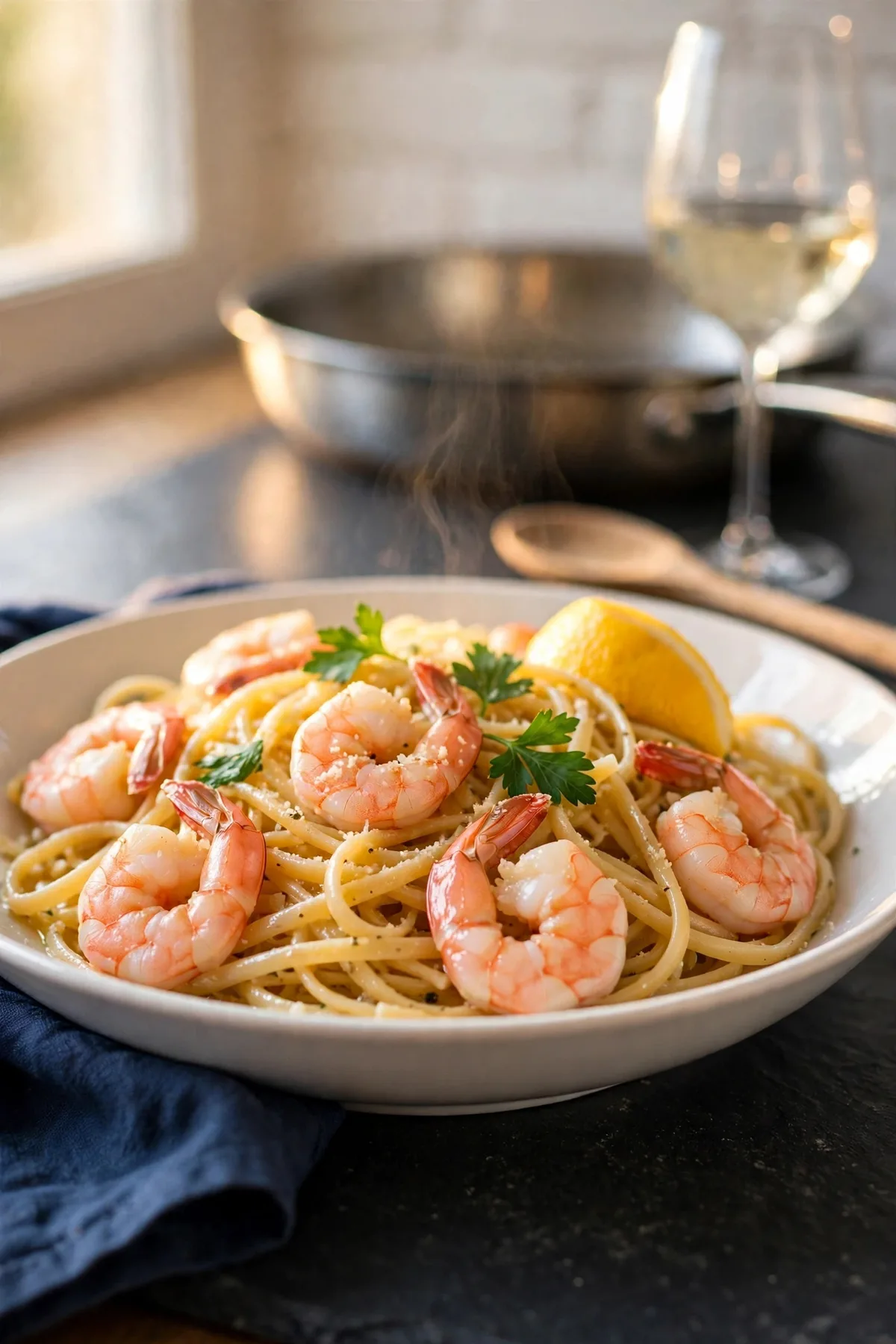
Shrimp scampi done right has plump, tender shrimp in a glossy garlic butter sauce that clings to every strand of pasta — not rubbery, overcooked shrimp swimming in a thin, broken sauce. This shrimp scampi recipe uses a specific two-stage cooking method for the shrimp plus a technique for building the sauce that keeps it emulsified instead of greasy or separated. The entire dish comes together in one pan in just 20 minutes.
This recipe is built for anyone who’s overcooked shrimp into rubbery bites or watched their butter sauce separate into an oily mess. If you’ve ever made a version that tasted like plain melted butter with shrimp floating in it — every one of those problems has a specific fix here. It works for a quick weeknight dinner, a date night at home, or anytime a craving for something garlicky and buttery hits.
Made this already? Scroll down and leave a ⭐⭐⭐⭐⭐ rating below — it helps more than you know.
Once you nail the technique for the scampi, the restaurant version stops feeling necessary.
Table of Contents
Why This Shrimp Scampi Recipe Works
- Cooking the shrimp in two batches. Most recipes dump all the shrimp into the pan at once, which overcrowds it and steams the shrimp instead of searing it. This shrimp scampi recipe cooks in two batches, giving each piece real contact with the hot pan for a quick sear instead of a rubbery steam.
- Removing the shrimp before building the sauce. Leaving shrimp in the pan while the garlic and wine reduce means they keep cooking and turn tough by the time the sauce is ready. Pulling them out protects their tender texture entirely.
- Reserved pasta water to finish the sauce. Here’s the truth: starchy pasta water is what makes a butter sauce cling to noodles instead of pooling at the bottom of the bowl in a thin, separated layer.
- Lemon juice added off heat, at the very end. Adding lemon too early mellows its brightness; stirring it in off heat right before serving keeps the sauce tasting fresh and acidic rather than flat.
- Butter added gradually, not all at once. This recipe melts the butter in stages rather than dumping it in together, which is what keeps the sauce from breaking into an oily, separated mess.
another quick weeknight dinner here
Understanding the Key Ingredient

I’ve made it more times than I can count — always for real weeknight dinners, never just for testing. The one step I never skip, no matter how rushed I am, is the key technique in Step 1. Every single time I’ve tried cutting corners on it, the final dish suffered. Every time I followed it properly, the result was exactly right.
Why Large Shrimp Are the Right Choice
Large shrimp, typically labeled 16-20 count per pound, give you enough substance to stay juicy through a quick sear without overcooking in the few minutes this dish needs. Smaller shrimp cook through so fast that they’re nearly impossible to time correctly before they turn rubbery, while jumbo shrimp can take slightly longer and throw off the overall timing of the dish. Additionally, large shrimp hold up visually on the plate, giving each bite a satisfying, substantial texture that smaller shrimp simply can’t match.
Shrimp Size Comparison Guide
| Size (count per lb) | Cook Time | Texture Result | Best For |
|---|---|---|---|
| 16-20 (large) | 2-3 min per side | Juicy, substantial | Best overall result |
| 21-25 (medium-large) | 1.5-2 min per side | Good, slightly faster cooking | Acceptable substitute |
| 26-30 (medium) | 1-1.5 min per side | Cooks very fast, easy to overcook | Use with extra caution on timing |
| 10-15 (jumbo) | 3-4 min per side | Very substantial | Works but needs longer cook time |
How to Choose the Best at the Store
- Check the count per pound on the label. This number tells you the size far more reliably than vague terms like “large” or “jumbo” alone.
- Buy peeled and deveined if time is short. This saves a genuinely significant amount of prep time compared to shelling shrimp yourself.
- Fresh smells like the ocean, not fishy. A strong, unpleasant fishy smell is a sign the shrimp isn’t fresh.
- Frozen works just as well as fresh. Most “fresh” shrimp at the counter has actually been previously frozen and thawed anyway.
- Leave tails on for presentation if desired. This is purely aesthetic and doesn’t affect the cooking process either way.
How Much Do You Need?
| Servings | Shrimp | Butter |
|---|---|---|
| 2 | ½ lb | 3 tbsp |
| 4 | 1 lb | 6 tbsp |
| 6 | 1½ lbs | 9 tbsp |
| 8 | 2 lbs | 12 tbsp |
Double Batch — How to Scale This Shrimp Scampi Recipe
Doubling works best by cooking the shrimp in more batches rather than trying to fit everything into one oversized pan at once — overcrowding is still the biggest risk at any scale. Build the sauce in the same single pan after all the shrimp batches are done, since the sauce itself doesn’t need to be made in multiples. Keep the pasta water reserve proportional, using a bit more if doubling the pasta amount as well.
Ingredients You’ll Need

This dish uses straightforward pantry and seafood staples. Here is everything broken down.
Main Ingredients
- Large shrimp — 1 lb, peeled and deveined. The star of the dish. Patted dry before cooking for the best sear.
- Unsalted butter — 6 tablespoons, divided. Builds the rich, glossy sauce this dish is known for.
- Garlic — 5 cloves, minced. The dominant aromatic flavor throughout the sauce.
- Dry white wine — ½ cup. Adds acidity and depth as it reduces, building complexity in the sauce.
- Fresh lemon juice — 2 tablespoons. Brightens the finished sauce, added off heat at the end.
- Red pepper flakes — ¼ teaspoon. A subtle background heat that rounds out the richness.
- Linguine — 8 oz, dry. The traditional pasta pairing for this dish.
- Fresh parsley — ¼ cup, chopped. A fresh, herbal finish on top.
Supporting Ingredients
- Olive oil — 1 tablespoon. Used for the initial sear alongside a portion of the butter.
- Salt and black pepper — to taste.
- Parmesan cheese — for garnish (optional). A non-traditional but popular addition for extra richness.
Optional Additions Table
| Add-In | Amount | Effect |
|---|---|---|
| Cherry tomatoes, halved | 1 cup | Adds color and a fresh, juicy bite |
| Spinach | 2 cups | Wilted in at the end for extra vegetables |
| Capers | 2 tbsp | Adds a briny, tangy element |
| Extra garlic | 2-3 cloves | For an even more pronounced garlic flavor |
| Crushed red pepper, extra | ¼ tsp more | Builds more noticeable heat |
Complete Substitutions Reference
| Original | Substitution | Notes |
|---|---|---|
| Dry white wine | Chicken broth + 1 tsp lemon juice | Good non-alcoholic substitute |
| Linguine | Spaghetti or fettuccine | Similar result, different noodle shape |
| Fresh garlic | Jarred minced garlic | Convenient, slightly milder flavor |
| Fresh lemon juice | Bottled lemon juice | Less bright, still works in a pinch |
| Fresh parsley | Dried parsley (1 tbsp) | Less vibrant but acceptable |
What NOT to Add to This Shrimp Scampi Recipe
❌ Overcrowding the pan with all the shrimp at once — steams instead of searing, producing a rubbery texture
❌ Leaving shrimp in the pan while building the sauce — continues cooking them and makes them tough by serving time
❌ Cold butter dumped in all at once — can cause the sauce to separate instead of emulsifying smoothly
❌ Skipping the reserved pasta water — the sauce won’t cling to the noodles properly without it
❌ Adding lemon juice too early — mellows the brightness that’s supposed to finish the dish
❌ Wet, unpatted shrimp straight into the pan — excess moisture prevents a proper sear and leads to steaming instead
Equipment You’ll Need
Choosing the Right Equipment for Shrimp Scampi
| Tool | Purpose | Best For |
|---|---|---|
| Large stainless steel skillet | Searing and sauce-building | Even heat, good fond development |
| Nonstick skillet | Searing and sauce-building | Easier release, slightly less browning |
| Large pot | Boiling pasta | Standard pasta cooking |
| Tongs | Tossing shrimp and pasta | Precise handling without breaking shrimp |
Other Tools That Actually Matter
A stainless steel or cast iron skillet develops better browning on the shrimp than a nonstick surface, which matters for building flavor in this quick-cooking dish. Tongs make it far easier to turn individual shrimp without tearing them apart compared to a spatula. A liquid measuring cup set near the pasta pot makes scooping out the reserved pasta water quick and easy right before draining.
No Large Skillet? Alternatives That Work for This Shrimp Scampi Recipe
- Two smaller pans — cook the shrimp in batches across two pans simultaneously to save time
- Wok — works well for the wide surface area needed to sear shrimp without crowding
- Cast iron skillet — excellent heat retention and browning, just preheat it a bit longer before adding the shrimp
How to Make Shrimp Scampi — Step by Step
Five steps. Most take under five minutes each.
Step 1 — Cook the Pasta
Bring a large pot of salted water to a boil and cook the linguine according to package directions until al dente. Reserve ½ cup of the pasta cooking water before draining. This reserved water becomes essential later for helping its sauce cling properly to the noodles.
💡 Pro Tip: Start the pasta water boiling before you begin anything else — timing the shrimp cooking to finish right as the pasta is ready keeps everything hot and fresh when combined.
Step 2 — Sear the Shrimp in Batches (The Key Step)
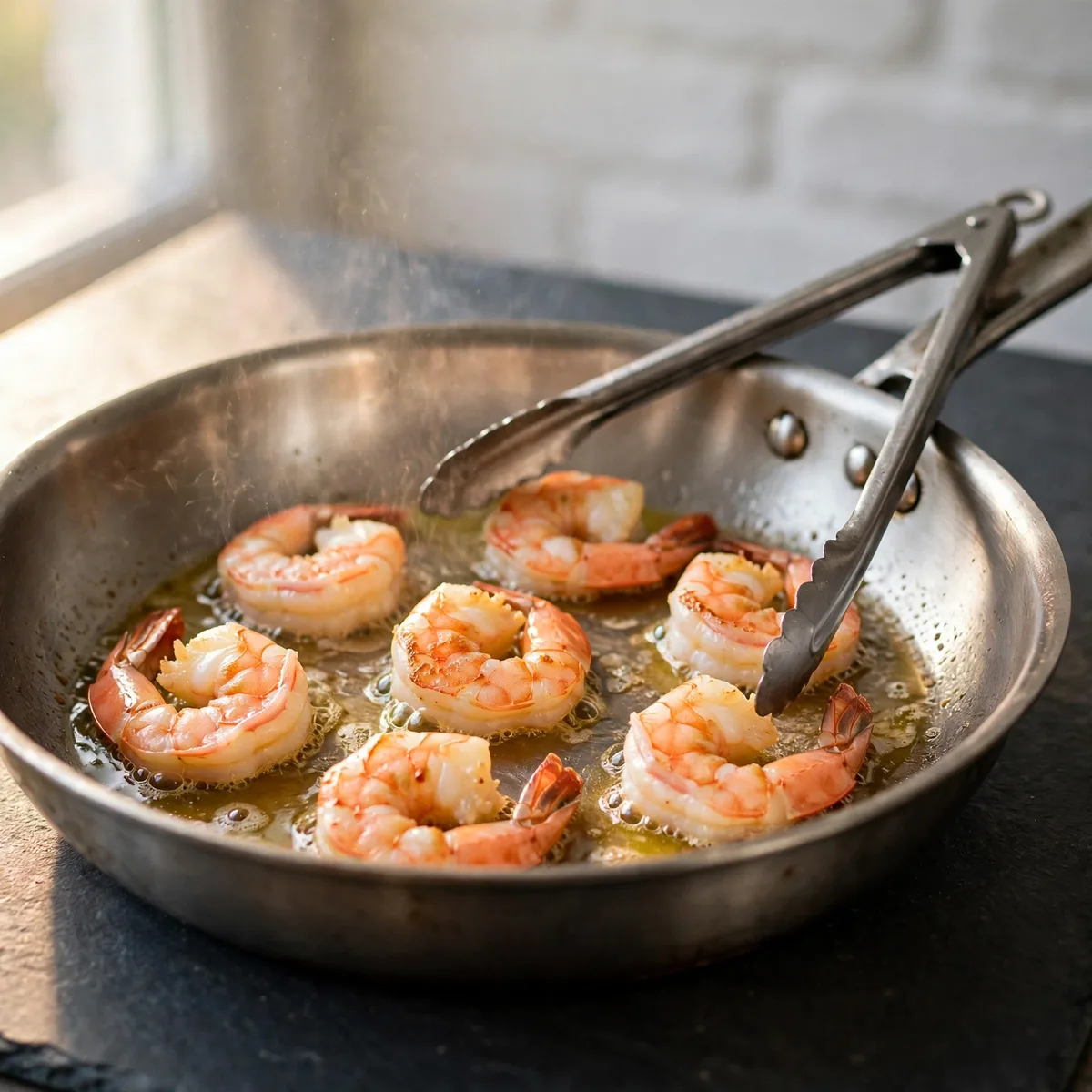
Heat the olive oil and 2 tablespoons of butter in a large skillet over medium-high heat. Add half the shrimp in a single layer, without crowding the pan, and sear for 1–2 minutes per side until just pink and opaque. Remove to a plate and repeat with the second batch. Most people throw all the shrimp in at once, but this dish specifically cooks in batches to ensure a proper sear rather than a steam. Every single time I’ve overcrowded the pan instead of batching, the shrimp turned out noticeably more rubbery.
💡 Pro Tip: Pat the shrimp completely dry with paper towels before they ever touch the pan — excess moisture is the single biggest obstacle to getting a real sear.
Step 3 — Build the Sauce
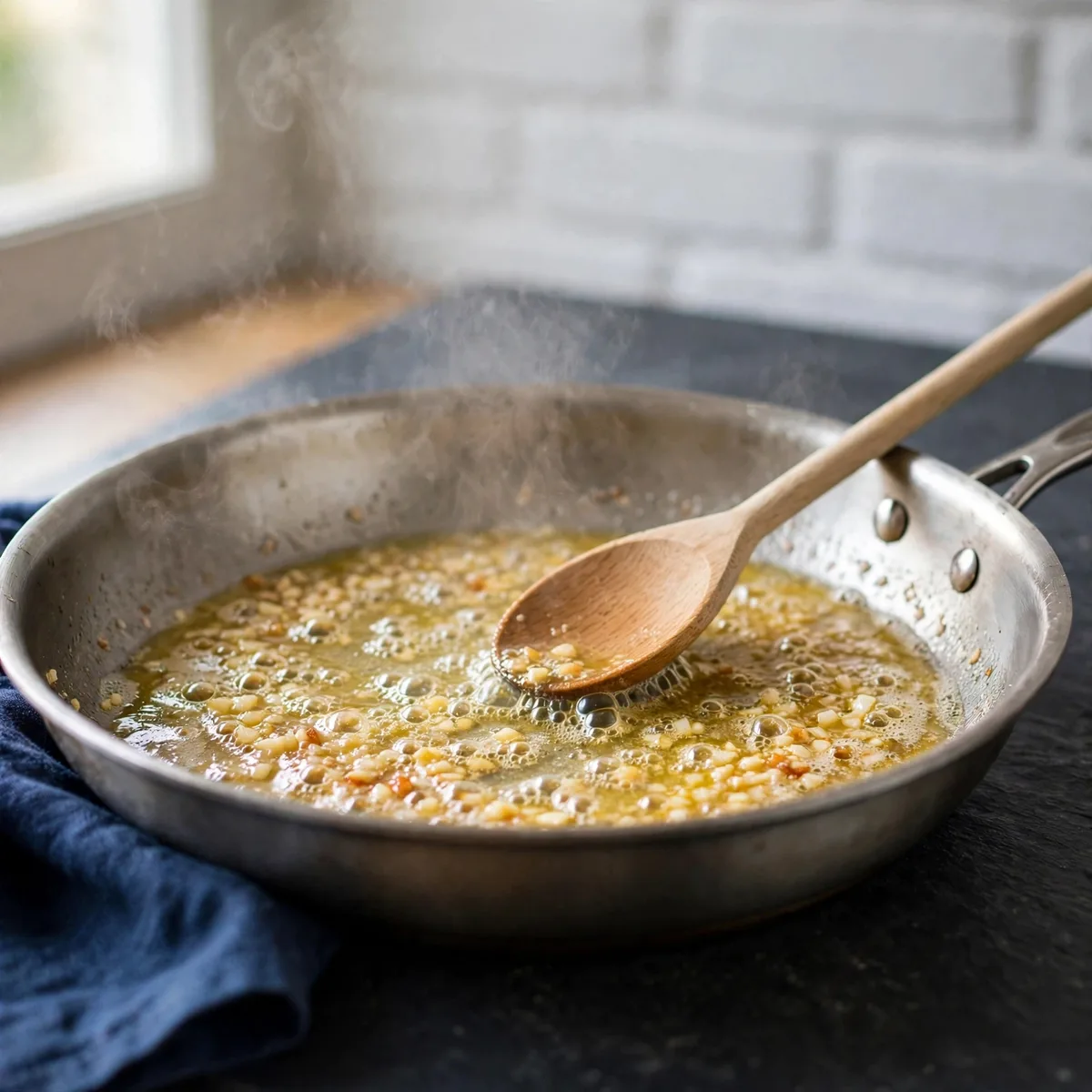
In the same skillet, add the minced garlic and red pepper flakes to the remaining fond and cook for 30–45 seconds until fragrant. Pour in the white wine and simmer for 2–3 minutes, scraping up any browned bits from the bottom of the pan, until the liquid reduces by about half.
another cozy homemade dinner here
As a result, the reduced wine carries all the flavor left behind by the seared shrimp, which is exactly what builds real depth into this sauce.
💡 Pro Tip: Scrape the bottom of the pan thoroughly while the wine simmers — those browned bits hold a significant amount of concentrated flavor that would otherwise go to waste.
Step 4 — Finish the Sauce and Combine
Reduce the heat to low and add the remaining 4 tablespoons of butter one piece at a time, stirring until each piece melts before adding the next. Add a splash of the reserved pasta water, then return the shrimp to the pan along with the drained linguine. Toss everything together until evenly coated.
💡 Pro Tip: Adding the butter gradually rather than all at once is what keeps this sauce emulsified and glossy instead of greasy and separated.
Step 5 — Finish with Lemon and Garnish
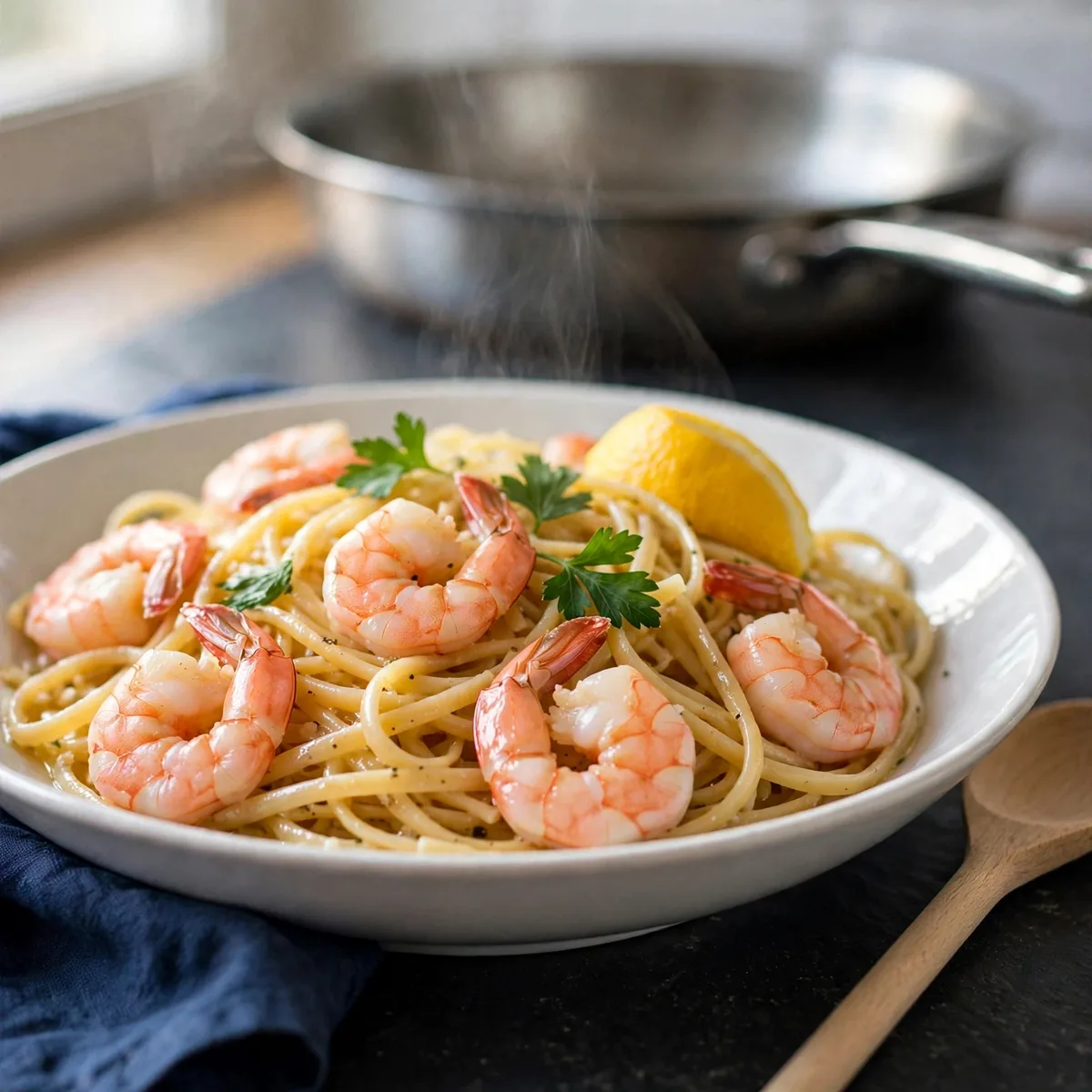
Remove the pan from heat and stir in the fresh lemon juice. Taste and adjust salt and pepper as needed. Garnish with fresh parsley and serve immediately while everything is hot and glossy.
How to Tell When It’s Done
In my kitchen, I’ve learned to trust the shrimp’s color and texture over the clock for this dish — but every stove runs a little differently, so check closely on your first attempt. Once you’ve made it once, you’ll know exactly what to look for.
Primary Doneness Test
The shrimp are done the moment they turn from translucent gray to opaque pink, and they curl into a loose “C” shape rather than a tight circle. A tightly curled “O” shape is the clearest visual sign of overcooking.
Doneness Guide
| Indicator | What It Means | What to Do |
|---|---|---|
| Shrimp still gray, translucent | Under-cooked | Cook 30–60 more seconds per side |
| Shrimp pink, curled in loose C shape | Perfectly done | Remove immediately |
| Shrimp curled tightly into an O shape | Overcooked | Still edible but noticeably tougher |
| Sauce looks glossy and emulsified | Perfectly done | Combine with pasta and serve |
| Sauce looks oily, separated | Butter added too fast or heat too high | Whisk in a splash of pasta water to recombine |
| Sauce too thin | Not reduced enough | Simmer a bit longer before adding butter |
Visual Signs It’s Done
- The shrimp have turned from translucent gray to a solid, opaque pink color throughout
- Each shrimp has curled into a loose “C” shape rather than a tight circle
- The sauce looks glossy and coats a spoon evenly rather than looking oily or watery
- The garlic in the sauce is fragrant and lightly golden, not raw-smelling or burnt
- The pasta, once tossed in, looks evenly coated and glossy throughout
It’s Not Right — What to Do Now
- Shrimp turned rubbery: Overcooked, likely from overcrowding the pan or cooking too long — use the batch method and watch closely for the curl shape
- Sauce separated and looks oily: Butter was added too quickly at too high a heat — whisk in a splash of pasta water off heat to bring it back together
- Sauce tastes flat: Lemon juice wasn’t added, or wine wasn’t reduced enough — always finish with fresh lemon off heat
- Garlic tastes burnt: Cooked too long or at too high a heat — use medium heat and watch closely, since garlic burns quickly
How to Make the Garlic Butter Sauce

The sauce is what defines it, and getting it right comes down to technique more than any single ingredient. There are three approaches depending on your preference.
Method 1 — Classic Wine Sauce (Standard Recipe)
Reduce white wine with garlic, then finish with butter added gradually and a splash of lemon juice. This is the method used throughout this dish and produces the most traditional, restaurant-style result.
Method 2 — No-Wine Version (Alcohol-Free)
Replace the white wine with chicken broth plus an extra teaspoon of lemon juice to mimic the acidity wine would provide. This produces a slightly less complex sauce but is a genuinely good substitute for anyone avoiding alcohol entirely.
Method 3 — Extra Rich Version (More Indulgent)
Increase the butter to 8 tablespoons total and stir in 2 tablespoons of heavy cream along with the lemon juice at the end. This produces a noticeably richer, slightly creamier sauce that’s less traditional but popular for anyone wanting extra indulgence.
Troubleshooting Quick Reference
| Problem | Cause | Fix |
|---|---|---|
| Sauce separated, oily | Butter added too fast or heat too high | Whisk in pasta water off heat to recombine |
| Sauce too thin | Wine wasn’t reduced enough | Simmer the wine longer before adding butter |
| Sauce too thick | Too much butter | Thin with a splash more reserved pasta water |
| Garlic tastes bitter | Burned during cooking | Use medium heat and watch closely; start over if burnt |
What to Serve With Shrimp Scampi
Classic Pairings That Always Work
- Garlic bread — perfect for scooping up any extra sauce left on the plate
- A simple arugula salad — the peppery bite cuts through the richness of the butter sauce
- Crisp white wine — the same wine used in cooking makes a natural pairing at the table
- Steamed asparagus — a light vegetable side that complements the seafood without competing
- Crusty Italian bread — another classic option for sauce-scooping alongside the pasta
Comfort Food Pairings
- Caesar salad — a classic Italian-American pairing that rounds out the meal
- Roasted cherry tomatoes — adds a juicy, sweet contrast to the rich garlic butter
- Parmesan breadsticks — a cheesy, indulgent side for a full comfort-food spread
- Risotto instead of pasta — a heartier base for the shrimp and sauce if preferred
Lighter Options
- Zucchini noodles instead of linguine — keeps the dish lower in carbohydrates
- Cauliflower rice as the base — a lighter alternative that still soaks up the sauce well
- Extra steamed vegetables, less pasta — balances the richness with more volume from vegetables
6 Ways to Use Leftover Shrimp Scampi
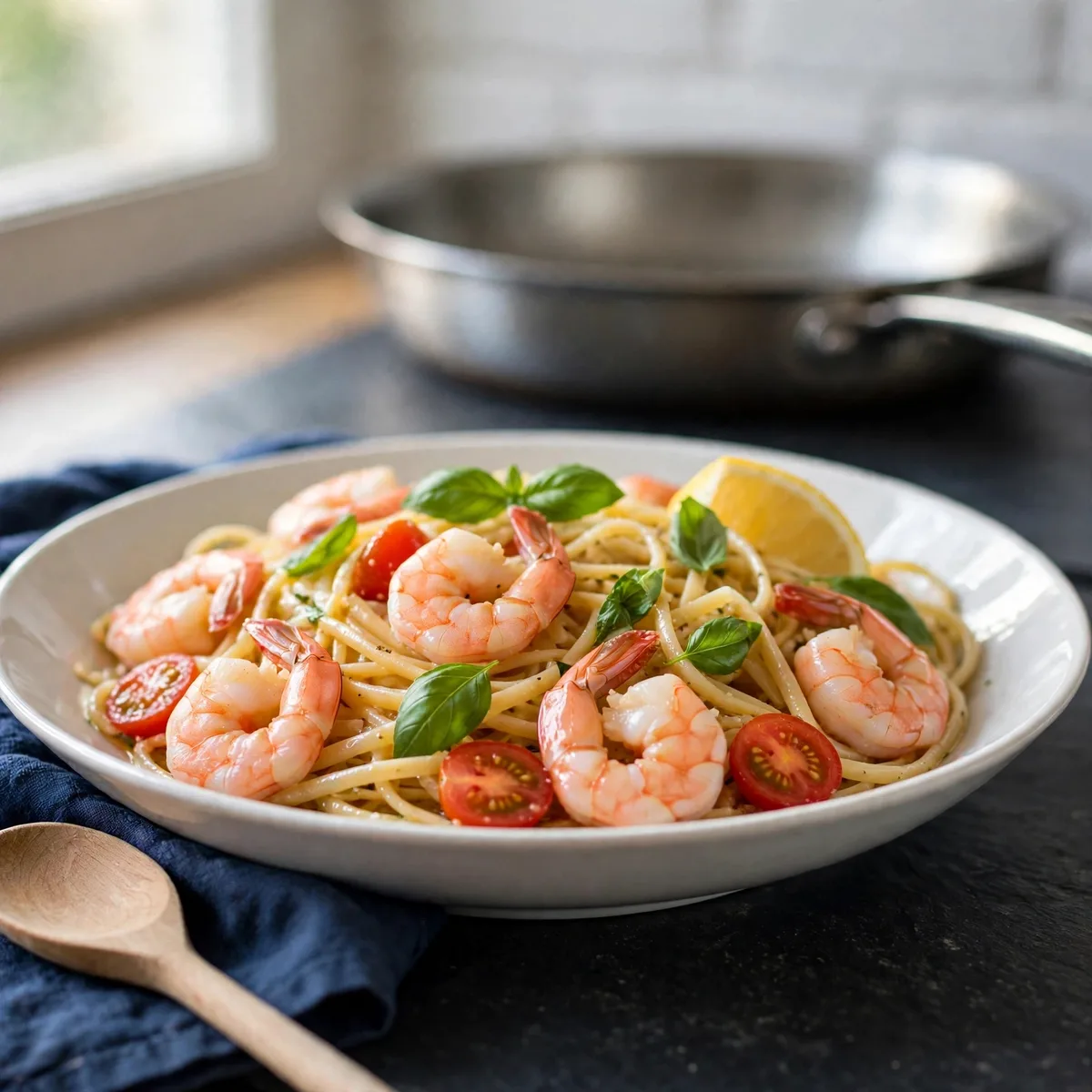
Leftover portions of this dish can become several completely different meals. Here are 6 ways to use it.
Shrimp Scampi Pasta Salad
What you need: The scampi leftovers, cherry tomatoes, fresh basil.
How to assemble: Toss the cold leftovers with halved cherry tomatoes and torn fresh basil for a quick cold pasta salad.
One tip: A small squeeze of extra lemon juice brightens the leftovers back up after a day in the fridge.
Shrimp Scampi Flatbread
What you need: This dish (chopped), flatbread or naan, shredded mozzarella.
How to assemble: Top flatbread with the chopped leftovers and cheese, then bake at 400°F for 8–10 minutes until bubbly.
One tip: Remove any excess pasta from the leftovers before topping — too much pasta makes the flatbread soggy.
Shrimp Scampi Rice Bowl
What you need: The scampi (leftover), cooked rice.
How to assemble: Spoon the reheated leftovers over a bowl of warm rice instead of eating it with the original pasta.
try it over homemade Mexican rice here
One tip: The rice soaks up the garlic butter sauce beautifully, making this version feel like a completely different meal.
Shrimp Scampi Omelet Filling
What you need: Leftover shrimp (removed from sauce), 2-3 eggs.
How to assemble: Make a plain omelet and fold warmed leftover shrimp inside before folding it closed.
One tip: Drain the shrimp well from any sauce first — excess liquid can make the omelet soggy instead of fluffy.
Shrimp Scampi Soup
What you need: The scampi leftovers, 3 cups chicken broth.
How to assemble: Simmer the leftovers in chicken broth for 5 minutes to turn it into a quick, garlicky soup.
One tip: This stretches a small amount of leftovers into a full second meal almost effortlessly.
Shrimp Scampi Stuffed Avocado
What you need: Leftover shrimp (removed from pasta), 2 avocados, halved.
How to assemble: Spoon leftover shrimp directly into halved, pitted avocados for a quick, low-carb lunch.
One tip: A squeeze of fresh lime over the avocado keeps it from browning while you serve.
Storage, Freezing and Reheating Guide
Refrigerator Storage (Up to 3 Days)
This dish stores in the refrigerator for up to 3 days in an airtight container. The sauce firms up slightly when cold, which is completely normal — gentle reheating restores most of its original glossy texture.
Can You Make This Shrimp Scampi Ahead of Time?
Partially — the sauce base can be made up to a day ahead and reheated gently, but the shrimp itself is genuinely best cooked fresh right before serving to avoid overcooking during reheating. If prepping ahead, cook the pasta and sauce separately, then quickly sear fresh shrimp right before combining everything.
Freezer Storage (Not Recommended)
This dish does not freeze well, since both the shrimp and the butter-based sauce suffer significantly in texture once thawed. The shrimp turns noticeably rubbery and the sauce can separate into a greasy, broken mess that’s difficult to fully recombine.
This Recipe Works Best Made Fresh
Unlike many pasta dishes, this dish genuinely tastes and looks its best eaten the same day it’s made. For a dinner party, consider prepping the sauce base ahead and cooking the shrimp fresh right before guests arrive.
see more quick weeknight dinner ideas here
How to Reheat Without Ruining It
| Method | Setting | Time | Notes |
|---|---|---|---|
| Stovetop | Low | 3–4 min | Best method; add a splash of water or broth |
| Microwave | 50% power | 1–2 min | Stir halfway through; watch closely to avoid overcooking shrimp |
| Oven | 300°F | 10 min | Covered; gentler but slower |
Weekly Prep Strategy
This dish isn’t ideal for a full week of meal prep since it’s best fresh, but prepping the garlic, measuring the wine, and peeling the shrimp ahead of time cuts the active cooking time down to just the final assembly.
Recipe Variations Worth Trying
Same technique. Completely different flavor profiles. Master this dish first — then try one of these.
Most Popular — Shrimp Scampi with Cherry Tomatoes
Add 1 cup of halved cherry tomatoes to the pan during Step 3, letting them soften slightly as the wine reduces. The burst of juicy sweetness from the tomatoes makes this one of the most requested variations of this dish, especially in summer.
International — Italian Spicy Scampi (Scampi all’Arrabbiata)
Increase the red pepper flakes to ¾ teaspoon and add a tablespoon of tomato paste along with the garlic in Step 3. This leans into the spicier, more tomato-forward Italian arrabbiata tradition, adding depth and heat beyond the standard version.
Low-Carb — Zucchini Noodle Version
Replace the linguine entirely with spiralized zucchini noodles, adding them to the sauce raw during the last minute of cooking so they soften without turning mushy. Therefore, you get all the same garlicky, buttery flavor of this dish with a fraction of the carbohydrates.
Quick Shortcut — Pre-Cooked Shrimp Version
Use already-cooked, peeled shrimp instead of raw, adding them to the finished sauce for just 1–2 minutes to warm through rather than cooking from raw. This cuts the total active cooking time down significantly, though the texture is slightly less tender than starting from raw.
Fresh and Elevated — Shrimp Scampi with Fresh Herbs
Add 1 tablespoon each of fresh chopped basil and chives along with the parsley at the end. The combination of fresh herbs adds a brighter, more garden-forward dimension that elevates the scampi into something feeling more elegant for a dinner party.
Nutrition Information
Per Serving Breakdown (Based on 4 Servings)
| Nutrient | Amount | % Daily Value |
|---|---|---|
| Calories | ~480 | — |
| Total Fat | 22g | 28% |
| Saturated Fat | 12g | 60% |
| Cholesterol | 215mg | 72% |
| Sodium | 520mg | 23% |
| Total Carbohydrates | 45g | 16% |
| Dietary Fiber | 2g | 7% |
| Total Sugars | 1g | — |
| Protein | 25g | 50% |
| Vitamin C | 15% DV | — |
According to USDA FoodData Central, shrimp provides a lean source of complete protein with relatively low calories per serving — meaning this shrimp scampi recipe delivers real nutritional value alongside its rich, buttery flavor.
Dietary Compatibility
| Diet | Compatible | Notes |
|---|---|---|
| Gluten-Free | ❌ | Use gluten-free linguine to adapt |
| Dairy-Free | ❌ | Replace butter with a dairy-free alternative |
| Paleo | ❌ | Pasta and butter both excluded from strict Paleo |
| Keto | ❌ | See zucchini noodle variation above to adapt |
| Vegetarian | ❌ | Shrimp is the central ingredient; no straightforward substitute |
| Vegan | ❌ | Same shrimp and dairy substitution challenges apply |
To reduce sodium in this shrimp scampi recipe, use unsalted butter throughout and taste before adding any extra salt — the wine, garlic, and parmesan already carry meaningful flavor on their own.
8 Mistakes That Ruin Shrimp Scampi
Every one of these mistakes is fixable. Know them before you start — not after.
❌ Mistake 1: Overcrowding the Pan
Why it happens: Trying to cook all the shrimp at once to save time. What goes wrong: A crowded pan steams the shrimp instead of searing them, producing a rubbery, pale result. The fix: Cook the shrimp in two batches with a single layer each time.
❌ Mistake 2: Overcooking the Shrimp
Why it happens: Not watching closely enough during the quick cook time. What goes wrong: Shrimp that curl into a tight “O” shape instead of a loose “C” have gone past done and turned tough. The fix: Pull the shrimp the moment they turn opaque pink and curl loosely.
❌ Mistake 3: Leaving Shrimp in the Pan While Building the Sauce
Why it happens: Trying to save a step by not removing them. What goes wrong: The shrimp continue cooking in the hot pan while the sauce develops, turning tough by the time everything is combined. The fix: Always remove the shrimp to a plate before building the sauce, then return them at the very end.
❌ Mistake 4: Adding Cold Butter All at Once
Why it happens: Wanting to speed through the sauce step. What goes wrong: Dumping in all the butter together at a high temperature can cause the sauce to break and separate into an oily mess. The fix: Add the butter gradually, one piece at a time, over low heat.
❌ Mistake 5: Skipping the Reserved Pasta Water
Why it happens: Forgetting this step before draining the pasta. What goes wrong: Without the starchy water, the sauce doesn’t cling to the noodles properly and pools at the bottom of the bowl instead. The fix: Always reserve at least ½ cup of pasta water before draining.
❌ Mistake 6: Adding Lemon Juice Too Early
Why it happens: Adding all ingredients together for convenience. What goes wrong: Lemon juice simmered for an extended time loses its bright acidity and tastes muted by the time the dish is served. The fix: Always stir in lemon juice off heat, at the very end.
❌ Mistake 7: Letting the Garlic Burn
Why it happens: Walking away even briefly while it cooks. What goes wrong: Burnt garlic turns bitter and that bitterness spreads through the entire sauce, ruining the final flavor. The fix: Cook garlic over medium heat and stay nearby, since it can go from fragrant to burnt in under 30 seconds.
❌ Mistake 8: Using Wet, Unpatted Shrimp
Why it happens: Skipping what seems like an unnecessary extra step. What goes wrong: Excess surface moisture prevents a proper sear, leading to steaming instead of browning. The fix: Pat the shrimp thoroughly dry with paper towels before they ever touch the hot pan.
Frequently Asked Questions
Why is my shrimp scampi rubbery?
The most common cause is overcooking, which happens easily since shrimp cook in just a couple of minutes and go from perfectly tender to tough very quickly. Overcrowding the pan is the second major cause, since it steams the shrimp instead of searing them, leading to uneven cooking and a rubbery texture. Watching for the shrimp to curl into a loose “C” shape rather than a tight “O,” and cooking in batches rather than all at once, solves this issue in nearly every case.
Can you make shrimp scampi without wine?
Yes — replace the white wine with chicken broth plus an extra teaspoon of lemon juice to mimic the acidity and depth that wine would normally provide to this shrimp scampi recipe. The result is slightly less complex in flavor, but it’s a genuinely good substitute for anyone avoiding alcohol, and most people won’t notice a significant difference once the dish is finished.
What size shrimp is best for shrimp scampi?
Large shrimp, typically labeled 16-20 count per pound, work best for this recipe since they’re substantial enough to stay juicy through a quick sear without overcooking in just a couple of minutes. Smaller shrimp cook through so fast that timing them correctly becomes much harder, while jumbo shrimp need slightly longer cooking that can throw off the overall pacing of the dish.
Can you make shrimp scampi ahead of time?
Only partially — the sauce base reheats reasonably well if made a day ahead, but the shrimp itself is genuinely best cooked fresh right before serving, since reheating cooked shrimp almost always pushes it toward rubbery. If you want to prep ahead, handle the pasta and sauce components in advance, then sear fresh shrimp right before combining everything together.
What do you serve with shrimp scampi?
Garlic bread and crusty Italian bread are both classic choices for scooping up any extra garlic butter sauce left on the plate. A simple arugula or Caesar salad rounds out the meal with a peppery or crisp contrast to the richness. For a lighter pairing, steamed asparagus works well without competing with the seafood’s delicate flavor.
Can you freeze shrimp scampi?
Freezing isn’t recommended for this dish, since both the shrimp and the butter-based sauce suffer significantly in texture once thawed. The shrimp turns noticeably rubbery and the delicate emulsified sauce can separate into a greasy mess that doesn’t fully recombine even with vigorous stirring after thawing.
How long does shrimp scampi last in the fridge?
This dish lasts up to 3 days in the refrigerator stored in an airtight container. The sauce firms up slightly when cold, which is completely normal, and gentle reheating on the stovetop or in short microwave bursts restores most of its original glossy texture.
Why does my shrimp scampi sauce break?
This almost always happens when butter is added too quickly over too high a heat, which prevents it from emulsifying smoothly into the wine and pasta water. The fix is adding the butter gradually, one piece at a time, over low heat, allowing each piece to fully melt and incorporate before adding the next. If a sauce does break, whisking in a small splash of reserved pasta water off heat often brings it back together.
Can you use frozen shrimp for shrimp scampi?
Yes — frozen shrimp works perfectly well for this recipe and is actually what most “fresh” shrimp at the seafood counter started as anyway. Thaw it completely in the refrigerator overnight or under cold running water for a quicker option, then pat it thoroughly dry before cooking, since excess moisture from thawing is one of the main obstacles to getting a proper sear.
Why does my shrimp scampi taste bland?
The most common cause is skipping the lemon juice at the end, which is what brightens and balances the richness of the butter and garlic. Under-seasoning with salt, or using old, less potent garlic, can also leave the dish tasting flatter than intended. Tasting and adjusting salt, and always finishing with fresh lemon juice off heat, usually resolves a bland batch.
You Might Also Like
Best Mexican Rice
Shrimp Scampi
Ingredients
Equipment
Method
- Cook linguine in salted boiling water until al dente. Reserve ½ cup pasta water, then drain.
- Heat olive oil and 2 tbsp butter in a skillet over medium-high heat. Sear shrimp in two batches, 1–2 minutes per side, until just pink. Remove to a plate.
- Add garlic and red pepper flakes to the pan. Cook 30–45 seconds. Add wine and simmer 2–3 minutes, scraping up browned bits, until reduced by half.
- Reduce heat to low. Add remaining butter one piece at a time, stirring until melted. Add a splash of pasta water. Return shrimp and pasta to the pan; toss to combine.
- Remove from heat. Stir in lemon juice. Taste and adjust seasoning. Garnish with parsley and serve immediately.
Notes
✅ Always remove shrimp before building the sauce — this protects them from overcooking.
🔄 No white wine? Chicken broth plus an extra teaspoon of lemon juice works as a substitute.
❄️ Refrigerate up to 3 days. Does not freeze well due to texture breakdown.
📌 Add butter gradually, one piece at a time — this is what keeps the sauce glossy instead of greasy.
Make Ahead + Freezer: Best made fresh; sauce base can be made up to a day ahead and reheated, but cook the shrimp fresh right before serving. Freezing is not recommended due to texture breakdown in both the shrimp and sauce.
Did You Make This? Tag @thegildedskillet and leave a ⭐⭐⭐⭐⭐ rating below.
— David | The Gilded Skillet

One Comment