

Best Taco Seasoning (Bold Flavor, Ready in 5 Minutes)
⭐⭐⭐⭐⭐ Rate this recipe
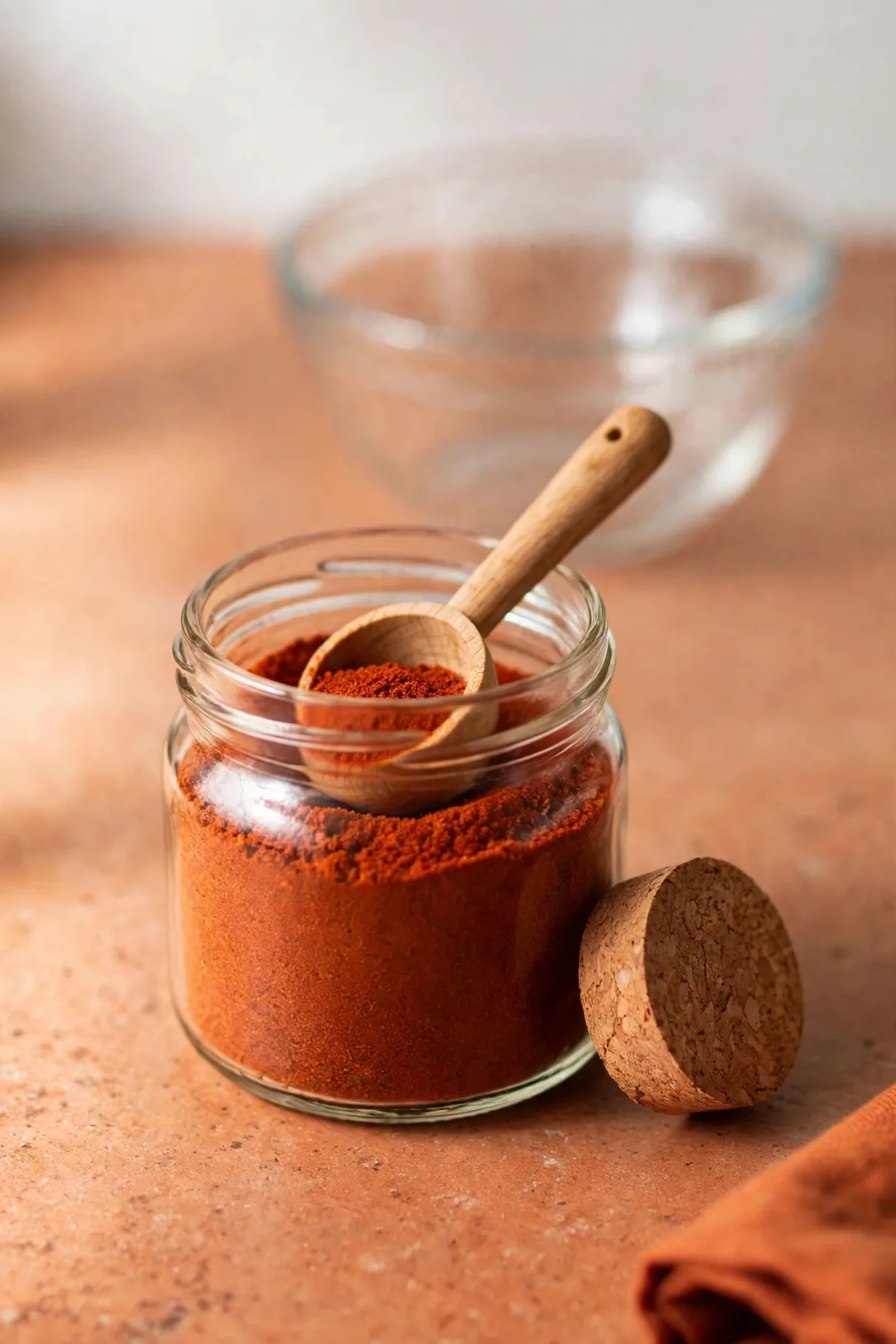
This taco seasoning recipe delivers bold, smoky, well-balanced flavor using just 8 pantry spices — no mystery fillers, no excess sodium, and no bland, dusty taste that so many store-bought packets have. The exact ratio here mirrors what restaurant-style taco meat actually tastes like, built on a base of chili powder, cumin, and smoked paprika rather than a single dominant spice. It comes together in under 5 minutes and makes enough for multiple batches of tacos.
This recipe is built for anyone who’s torn open a seasoning packet and been disappointed by a flat, salty taste with almost no real depth. If you’ve ever made tacos that tasted like plain ground beef with some red dust on it — every one of those problems has a specific fix here. It works for taco night, meal prep, or anytime a recipe calls for a reliable Mexican-inspired spice blend.
Made this already? Scroll down and leave a ⭐⭐⭐⭐⭐ rating below — it helps more than you know.
Once you make the blend yourself, the little paper packets stop making sense.
Table of Contents
Why This Taco Seasoning Recipe Works
- Chili powder and smoked paprika together, not chili powder alone. Most recipes rely on chili powder as the only source of color and heat, which produces a flatter, one-note flavor. Smoked paprika adds a genuine smokiness that regular chili powder can’t deliver on its own.
another easy from-scratch recipe here
- A precise cumin-to-chili ratio. Too much cumin overwhelms everything else and tastes soapy to some people. This recipe balances it carefully so the cumin supports the chili flavor instead of dominating it.
- Cornstarch left out entirely. Here’s the truth: many packaged seasonings include cornstarch or flour as a thickener, which can make sauce taste starchy. This recipe skips it, relying on the meat’s natural fat and a splash of water instead.
- Garlic powder and onion powder in the blend itself. Mixing these into the dry seasoning distributes them evenly through the meat, rather than needing to sauté fresh garlic and onion separately every single time.
- No excess sodium hidden in a mystery blend. This recipe lets you control exactly how much salt goes in, unlike packets that are often loaded with more sodium than necessary.
Understanding the Key Ingredient

I’ve made this seasoning recipe more times than I can count — always for real family taco nights, never just for testing. The one step I never skip, no matter how rushed I am, is the key technique in Step 1. Every single time I’ve tried cutting corners on it, the final blend suffered. Every time I followed it properly, the result was exactly right.
Why Chili Powder Is the Right Base Choice
Chili powder is actually a blend itself — typically ground chiles mixed with cumin, garlic, and oregano — which gives this seasoning recipe a built-in flavor foundation before any other spice is even added. Using chili powder as the base rather than starting from plain cayenne or paprika alone means the blend already carries some complexity, and every other spice added on top builds on that rather than starting from nothing. Additionally, chili powder’s color is what gives finished taco meat its familiar deep reddish tone.
Chili Powder Comparison Guide
| Type | Heat Level | Flavor | Best For |
|---|---|---|---|
| Standard chili powder | Mild to medium | Balanced, blended | Best overall result |
| Ancho chili powder | Mild | Fruity, deep | Milder, more complex version |
| Chipotle chili powder | Medium-hot | Smoky, hot | Extra smoky, spicier version |
| Pure cayenne pepper | Very hot | Sharp heat, no complexity | Avoid as a direct substitute |
How to Choose the Best at the Store
- Check the ingredient list on the label. True chili powder blends should list multiple spices, not just one ground pepper.
- Buy in small quantities if you don’t cook Mexican food often. Spices lose potency over time, so smaller containers used more frequently stay fresher.
- Smell before buying when possible. Fresh chili powder has a noticeably stronger, warmer aroma than stale, older stock.
- Avoid pre-made “taco seasoning” blends when shopping for this recipe. Those are a finished product, not a base ingredient, and often contain fillers.
- Bulk bins can offer better freshness. Higher-turnover bulk spice sections sometimes have fresher stock than pre-packaged jars that sat on a shelf.
How Much Do You Need?
| Batches of Tacos | Taco Seasoning | Meat |
|---|---|---|
| 1 batch | 2 tbsp | 1 lb |
| 3-4 batches | ⅓ cup (full recipe) | 3-4 lbs total |
| 6-8 batches | ⅔ cup (double) | 6-8 lbs total |
| 10+ batches | 1 cup (triple) | 10+ lbs total |
Double Batch — How to Scale This Taco Seasoning Recipe
Doubling or tripling the blend is simple — just multiply every spice measurement by the same factor and mix in a larger bowl. There’s no cooking or chemistry involved that changes with volume, so a tripled batch behaves identically to a single batch when used. Store the extra in a properly labeled jar so it doesn’t get mixed up with other spice blends in the pantry.
Ingredients You’ll Need

This seasoning recipe uses 8 simple pantry spices. Here is everything broken down.
Main Ingredients
- Chili powder — 2 tablespoons. The flavor base and primary source of color in this taco seasoning.
- Ground cumin — 1 tablespoon. Adds warm, earthy depth. The second most dominant flavor in the blend.
- Smoked paprika — 1 tablespoon. The source of genuine smokiness that elevates this beyond a flat, one-note seasoning.
- Garlic powder — 1 tablespoon. Distributes garlic flavor evenly through the meat without needing fresh cloves.
- Onion powder — 1 tablespoon. Adds aromatic depth alongside the garlic powder.
- Dried oregano — 1 teaspoon. A traditional herb note in authentic Mexican-inspired seasoning blends.
- Salt — 1 teaspoon, or to taste. Essential for balancing every other spice in the mix.
- Black pepper — ½ teaspoon. Adds a subtle background heat.
Supporting Ingredients
- Cayenne pepper — ¼ teaspoon (optional). For anyone who wants extra heat beyond the base blend.
- Ground coriander — ½ teaspoon (optional). Adds a subtle citrusy note that rounds out the earthiness of the cumin.
Optional Additions Table
| Add-In | Amount | Effect |
|---|---|---|
| Cayenne pepper | ¼ tsp | Adds extra heat |
| Ground coriander | ½ tsp | Subtle citrusy complexity |
| Chipotle powder | ½ tsp | Deeper, smokier heat |
| Brown sugar | 1 tsp | A touch of sweetness to balance heat |
| Dried cilantro | ½ tsp | Adds a fresh herbal note |
Complete Substitutions Reference
| Original | Substitution | Notes |
|---|---|---|
| Smoked paprika | Regular paprika | Less smoky, still adds color |
| Dried oregano | Mexican oregano | More traditional, slightly different flavor |
| Chili powder | Ancho chili powder | Milder, more complex flavor |
| Cayenne pepper | Red pepper flakes | Similar heat, slightly different texture |
| Salt | Reduce by half for low-sodium | Still flavorful with less sodium |
What NOT to Add to This Taco Seasoning Recipe
❌ Cornstarch or flour — unnecessary filler that can make sauce taste starchy; this recipe doesn’t need a thickener
❌ Pre-made seasoning salt — contains its own hidden ratio of salt and spices that throws off this recipe’s balance
❌ Too much cayenne at once — easy to overdo; start with less and add more only after tasting the cooked meat
❌ Stale, old spices — produces a dull, flat flavor no matter how carefully the ratios are followed
❌ Doubling the salt “just in case” — this recipe’s salt amount is already balanced; taste before adding more
❌ Using it straight without any liquid when cooking meat — the blend needs a splash of water or broth to fully distribute and avoid burning in the pan
Equipment You’ll Need
Choosing the Right Equipment for Taco Seasoning
| Tool | Purpose | Best For |
|---|---|---|
| Small mixing bowl | Combining spices | Any batch size |
| Small glass jar with lid | Storage | Keeps the blend fresh longer |
| Measuring spoons | Measuring | Accurate, consistent results |
| Small whisk or fork | Mixing | Breaks up any clumps evenly |
Other Tools That Actually Matter
A small whisk or even a fork works perfectly well for combining the spices, since there’s no wet mixing involved — just distributing dry powders evenly. A glass jar with a tight lid matters more than it seems, since it keeps the blend fresher far longer than a loosely closed bag. Measuring spoons ensure consistency, especially if you plan to make this seasoning recipe repeatedly and want the same result every time.
No Small Jar? Alternatives That Work for This Taco Seasoning Recipe
- Repurposed spice jar — any empty spice jar with a tight lid works just as well as a new one
- Small zip-top bag — press out excess air before sealing for reasonably good freshness
- Mason jar — a standard small mason jar with its lid works perfectly and looks nice on a shelf
How to Make Taco Seasoning — Step by Step
Two steps. The entire recipe takes under 5 minutes.
Step 1 — Measure the Spices (The Key Step)
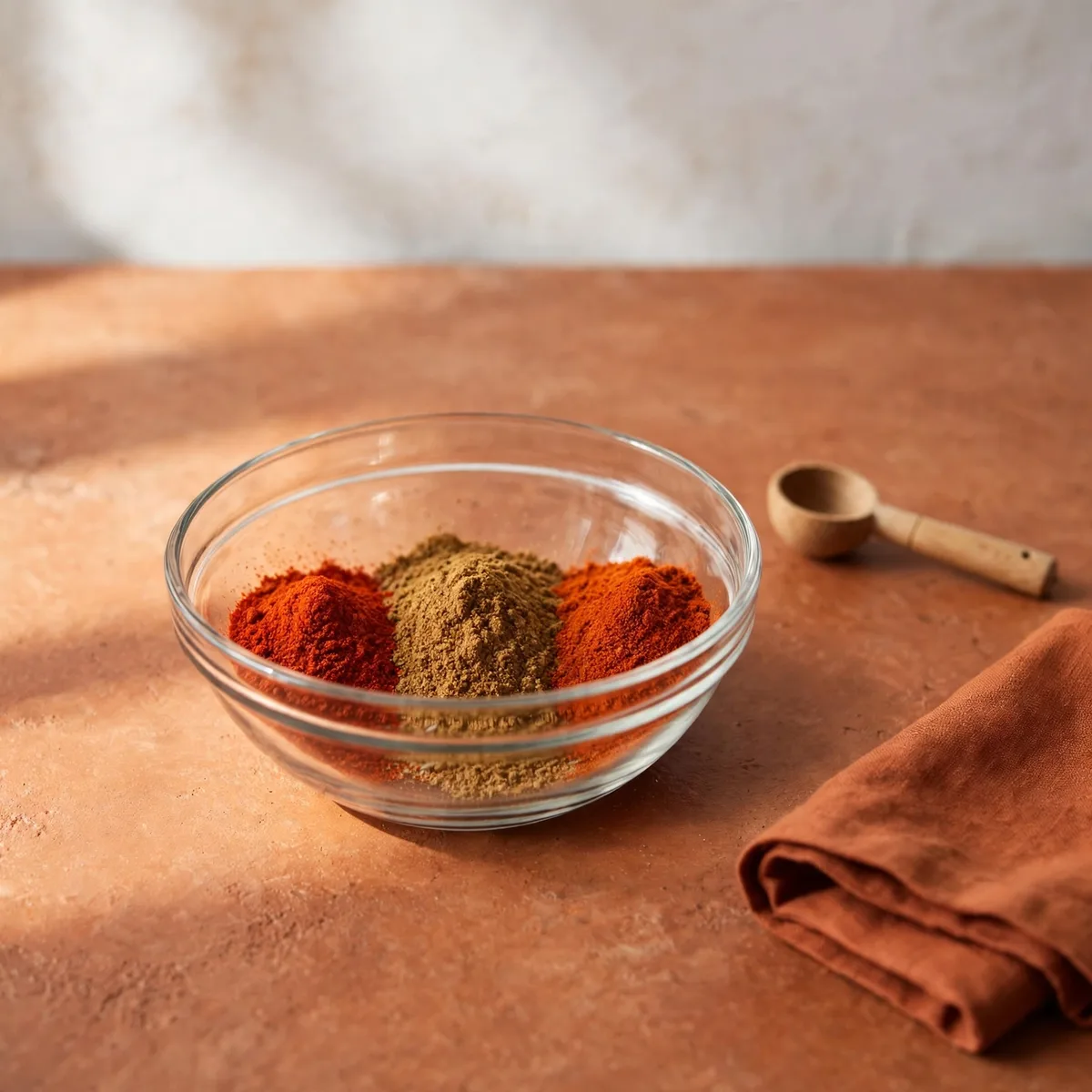
Measure the chili powder, cumin, smoked paprika, garlic powder, onion powder, oregano, salt, and black pepper directly into a small mixing bowl. Accurate measuring matters here more than it might seem, since even small variations in a spice blend this concentrated can noticeably shift the final balance of flavors. Every single time I’ve eyeballed the measurements instead of using actual spoons, the final blend tasted slightly off compared to my usual batch.
💡 Pro Tip: Level off each spoonful with the back of a knife rather than heaping it — consistent, level measurements are what make this recipe repeatable every single time.
Step 2 — Whisk Together
Whisk or stir all the spices together until fully combined, with no visible clumps or streaks of any single spice remaining. The finished blend should look uniform in color throughout, a consistent reddish-orange rather than patchy with darker or lighter spots.
another easy taco night recipe here
As a result, a properly mixed blend distributes evenly over meat during cooking, rather than leaving some bites overly spiced and others bland.
💡 Pro Tip: Break up any small clumps of garlic or onion powder with the back of a spoon before whisking — these two spices clump more than the others and can leave uneven pockets if skipped.
How to Tell When It’s Done
In my kitchen, I’ve learned to trust a visual check over any timer for the blend — but every batch of spices can look slightly different depending on freshness, so check the texture closely on your first attempt. Once you’ve made it once, you’ll know exactly what to look for.
Primary Doneness Test
The blend is ready the moment it looks completely uniform in color with no visible streaks or clumps of individual spices. Unlike a cooked recipe, there’s no temperature or texture change to watch for — simply confirm every spice has been evenly distributed throughout the mixture.
Doneness Guide
| Indicator | What It Means | What to Do |
|---|---|---|
| Visible streaks of one spice | Not fully mixed | Whisk 15–20 more seconds |
| Clumps of garlic or onion powder | Not broken up | Press with the back of a spoon, then whisk again |
| Uniform reddish-orange color | Perfectly mixed | Ready to use or store |
| Color looks patchy or uneven | Needs more mixing | Continue whisking until uniform |
| Mixture smells faint, not fragrant | Spices may be stale | Still usable but flavor will be milder |
| Mixture smells warm and aromatic | Fresh and ready | Confirms good quality spices |
Visual Signs It’s Done
- The color is a consistent, even reddish-orange throughout the entire mixture
- No dark streaks of paprika or pale patches of cumin remain visible
- The texture looks fine and powdery, with no visible clumps
- A spoon dragged through shows the same color on every part of the surface
- The aroma is warm, smoky, and balanced rather than dominated by any single spice
It’s Not Right — What to Do Now
- Mixture looks streaky: Wasn’t whisked thoroughly enough — continue mixing until the color is completely uniform
- Clumps remain: Garlic or onion powder wasn’t broken up first — press clumps with a spoon before whisking again
- Tastes flat when used: Spices may be old or stale — check expiration dates and replace if needed
- Too salty when cooked: Too much salt was added, or it was doubled unnecessarily — reduce the salt next batch and season the meat separately as needed
How to Use It on Meat

Using this blend correctly on meat matters just as much as the ratio of spices itself. There are three approaches depending on what you’re making.
Method 1 — Standard Ground Meat Method
Brown 1 pound of ground beef or turkey, drain excess fat, then add 2 tablespoons of the blend along with ⅓ cup of water. Simmer for 3–5 minutes until the liquid reduces and coats the meat. This is the most common use and produces the classic, saucy taco meat texture most people expect.
Method 2 — Dry Rub for Whole Cuts
Rub the seasoning directly onto chicken thighs, steak, or shrimp before grilling or pan-searing, using about 1 tablespoon per pound of protein. No added liquid is needed here, since the seasoning simply forms a flavorful crust as the protein cooks.
Method 3 — Vegetable and Bean Seasoning
Toss the seasoning directly with roasted vegetables or a pot of simmering black beans, using about 1 tablespoon per batch. This works especially well for a vegetarian taco filling that still carries the same bold, familiar flavor.
Troubleshooting Quick Reference
| Problem | Cause | Fix |
|---|---|---|
| Meat tastes dry and dusty | Not enough liquid added when cooking | Add a splash more water and simmer longer |
| Sauce too thin | Too much water added | Simmer uncovered a few more minutes to reduce |
| Flavor too mild | Not enough seasoning used | Add an extra teaspoon and taste again |
| Burnt, bitter taste | Seasoning added to a too-hot dry pan | Add a splash of water immediately when adding spices |
What to Serve With It
Classic Pairings That Always Work
- Hard or soft taco shells — the most obvious and classic use for seasoned meat
- Taco salad — seasoned meat over lettuce with all the usual taco toppings
- Nachos — seasoned ground beef layered over tortilla chips with cheese
- Burrito bowls — a base of rice and beans topped with seasoned meat
- Quesadillas — seasoned meat folded into a cheesy tortilla
Comfort Food Pairings
- Taco-seasoned mac and cheese — stir a spoonful of the dry seasoning into the cheese sauce for a Tex-Mex twist
- Loaded taco fries — seasoned meat and toppings over a bed of crispy fries
- Taco-stuffed baked potatoes — split potatoes topped with seasoned meat and the usual fixings
- Enchiladas — seasoned meat rolled into tortillas with sauce and cheese
Lighter Options
- Seasoned grilled chicken over salad — a lighter protein option using the dry rub method
- Seasoned roasted vegetables — a vegetable-forward taco filling with the same bold flavor
- Lettuce wrap tacos — skip the tortilla shell entirely for a lower-carb option
6 Ways to Use Leftover Taco Seasoning
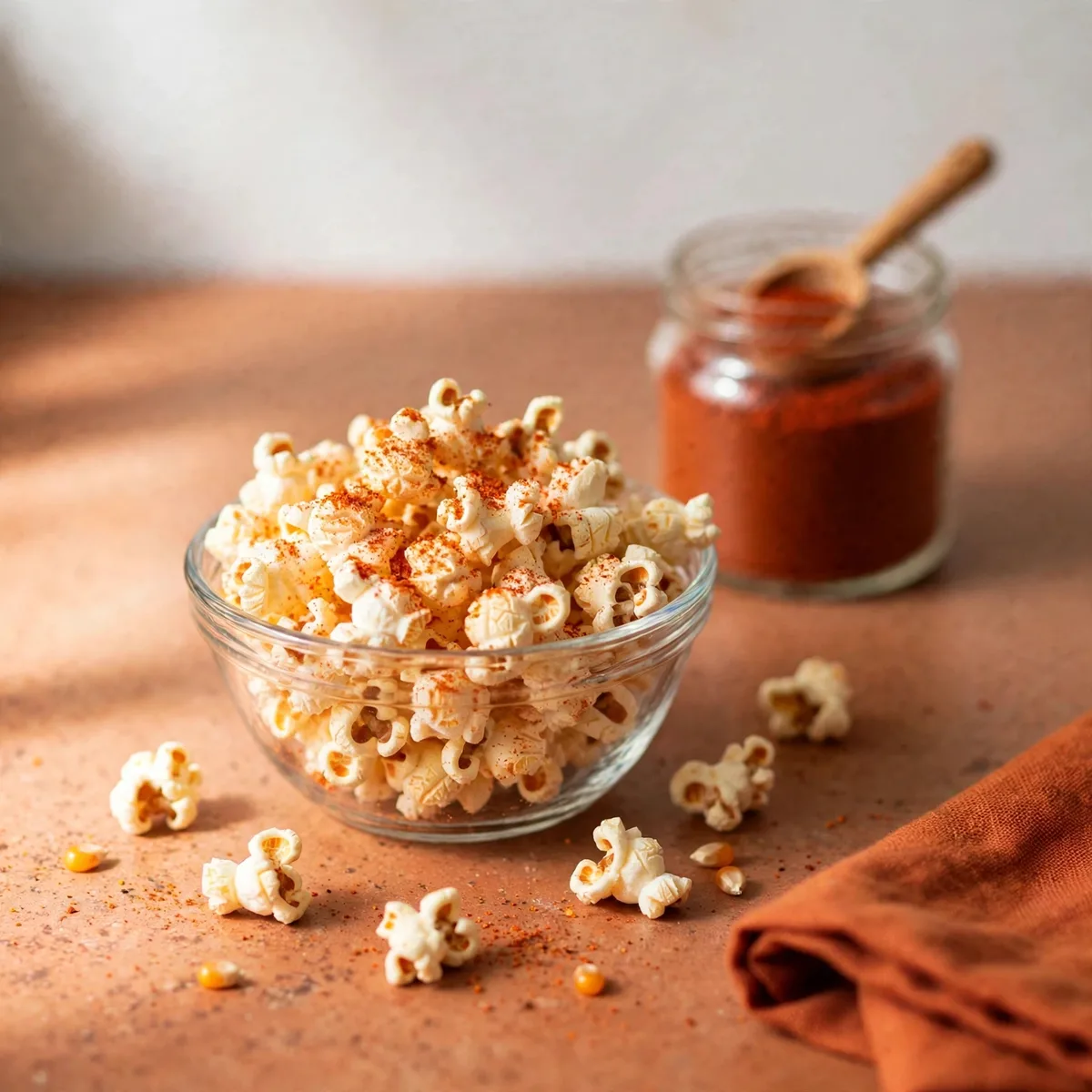
The leftover blend can be used in several completely different ways beyond tacos. Here are 6 ideas.
Taco Seasoned Popcorn
What you need: Leftover seasoning, freshly popped popcorn, melted butter.
How to assemble: Toss hot popcorn with a little melted butter, then sprinkle with leftover taco seasoning to taste.
One tip: Add the seasoning while the popcorn is still warm from the butter — it sticks far better than on cold popcorn.
Taco Seasoned Roasted Chickpeas
What you need: Leftover seasoning, canned chickpeas, drained and dried.
How to assemble: Toss chickpeas with a little oil and leftover seasoning, then roast at 400°F for 20–25 minutes until crispy.
One tip: Dry the chickpeas very thoroughly with a towel first — excess moisture prevents them from getting properly crispy.
Taco Seasoned Deviled Eggs
What you need: Leftover seasoning, hard-boiled eggs, mayonnaise.
How to assemble: Mix a pinch of leftover seasoning into the standard deviled egg yolk filling before refilling the egg whites.
try another easy appetizer from this site
One tip: Start with a small pinch and taste — the seasoning is concentrated enough that a little goes a long way in a small filling.
Taco Seasoned Guacamole
What you need: Leftover seasoning, prepared guacamole.
How to assemble: Stir a small pinch of leftover seasoning into guacamole for a smoky, Mexican-inspired twist on the classic dip.
One tip: Add it gradually and taste — guacamole’s other flavors are delicate enough that too much seasoning can overpower them quickly.
Taco Seasoned Roasted Potatoes
What you need: Leftover seasoning, diced potatoes, oil.
How to assemble: Toss diced potatoes with oil and leftover seasoning, then roast at 425°F for 25–30 minutes until crispy and golden.
One tip: Spread the potatoes in a single layer on the baking sheet — overcrowding steams them instead of letting them crisp properly.
Taco Seasoned Scrambled Eggs
What you need: Leftover seasoning, eggs, a little cheese.
How to assemble: Whisk a small pinch of leftover seasoning into eggs before scrambling, then top with cheese for a Tex-Mex breakfast.
One tip: This pairs especially well with a side of salsa and avocado for a complete breakfast taco-style plate.
Storage, Freezing and Reheating Guide
Pantry Storage (Up to 6 Months)
This taco seasoning recipe stores in a sealed jar in a cool, dry pantry for up to 6 months without losing significant flavor. Keeping it away from direct heat and light, such as near the stove, helps preserve its potency longer.
Can You Make This Ahead of Time?
Yes — in fact, this seasoning recipe is specifically designed to be made ahead in a larger batch and used over several taco nights rather than being made fresh every single time. Double or triple the recipe and store the extra in a properly sealed jar for convenient future use.
Freezer Storage (Not Necessary, But Possible)
Freezing isn’t necessary for the blend, since dry spice blends already store well at room temperature for months. If you do want to freeze it for extremely long-term storage, it holds up fine in an airtight container for up to a year with no quality loss.
This Recipe Works as a Pantry Staple
Make a large batch specifically to have on hand anytime taco night comes up unexpectedly. Having this taco seasoning recipe pre-made eliminates the need to measure out eight separate spices every single time you want tacos.
see more from-scratch staples here
How to Freshen Up Seasoning That’s Lost Potency
| Method | Setting | Time | Notes |
|---|---|---|---|
| Toast briefly in a dry pan | Low heat | 30–60 sec | Can revive some aroma before using |
| Add a touch more of each spice | N/A | — | Boosts flavor if the batch tastes weak |
| Replace if very old | N/A | — | Past 6-8 months, consider a fresh batch |
Weekly Prep Strategy
Make a triple batch once a month and keep it in a labeled jar in the pantry. This taco seasoning recipe stays fresh and ready for any taco night without needing to remeasure spices each time.
Recipe Variations Worth Trying
Same technique. Completely different flavor profiles. Master this base taco seasoning recipe first — then try one of these.
Most Popular — Extra Smoky Version
Increase the smoked paprika to 2 tablespoons and add ½ teaspoon of chipotle powder. The deeper smokiness makes this the most requested variation of the blend among people who love a bolder, more barbecue-adjacent flavor profile.
International — Al Pastor Inspired Version
Add 1 teaspoon of ground achiote (annatto) and ½ teaspoon of ground cloves along with the standard spices. This shifts the flavor profile toward the pineapple-and-spice character of Mexican al pastor seasoning, working especially well on pork.
Lighter — Low-Sodium Version
Cut the salt to ¼ teaspoon or omit it entirely, salting the meat separately during cooking instead. Therefore, you get complete control over the final sodium content while keeping all the same bold flavor from this taco seasoning recipe.
Quick Shortcut — Pre-Mixed Chili Powder Blend Version
Use 3 tablespoons of a good quality pre-mixed chili powder blend in place of separately measuring chili powder, cumin, and oregano, then simply add the smoked paprika, garlic powder, onion powder, salt, and pepper on top. This cuts the ingredient count down while still delivering a well-balanced result.
Fresh and Elevated — Citrus Taco Seasoning
Add 1 teaspoon of dried orange zest or lime zest powder along with the standard spices. The bright citrus note adds an unexpected freshness that pairs especially well with fish or shrimp tacos rather than heavier ground beef.
Nutrition Information
Per Serving Breakdown (Based on 2 Tablespoons, 1 Standard Batch)
| Nutrient | Amount | % Daily Value |
|---|---|---|
| Calories | ~25 | — |
| Total Fat | 1g | 1% |
| Saturated Fat | 0g | 0% |
| Cholesterol | 0mg | 0% |
| Sodium | 580mg | 25% |
| Total Carbohydrates | 4g | 1% |
| Dietary Fiber | 2g | 7% |
| Total Sugars | 0.5g | — |
| Protein | 1g | 2% |
| Iron | 1.2mg | 7% |
According to USDA FoodData Central, one tablespoon of chili powder contains a meaningful amount of vitamin A — meaning this taco seasoning recipe contributes a small nutritional benefit alongside its bold, smoky flavor.
Dietary Compatibility
| Diet | Compatible | Notes |
|---|---|---|
| Gluten-Free | ✅ | Naturally gluten-free as written |
| Dairy-Free | ✅ | No dairy in this recipe |
| Paleo | ✅ | Fits naturally within Paleo guidelines |
| Keto | ✅ | Naturally low-carb and keto-friendly as written |
| Vegetarian | ✅ | No meat in the seasoning itself |
| Vegan | ✅ | No animal products in this recipe |
To reduce sodium in the blend, cut the salt to ¼ teaspoon or omit it entirely, salting the meat or vegetables separately during cooking instead — this gives you complete control over the final sodium content.
8 Mistakes That Ruin Taco Seasoning
Every one of these mistakes is fixable. Know them before you start — not after.
❌ Mistake 1: Using Stale Spices
Why it happens: Spices sitting unused in the pantry for years. What goes wrong: Old spices lose their potency and produce a flat, dull flavor no matter how carefully the ratios are followed. The fix: Check expiration dates and replace any spice that’s lost its strong aroma.
❌ Mistake 2: Not Measuring Accurately
Why it happens: Eyeballing amounts instead of using actual measuring spoons. What goes wrong: Even small variations in a concentrated spice blend noticeably shift the final balance of flavors. The fix: Use proper measuring spoons and level them off for consistent results every time.
❌ Mistake 3: Using Only Chili Powder, No Smoked Paprika
Why it happens: Not having smoked paprika on hand. What goes wrong: The blend misses the genuine smokiness that separates this taco seasoning recipe from a flat, one-note store packet. The fix: Keep smoked paprika stocked specifically for this recipe — it makes a real difference.
❌ Mistake 4: Adding the Seasoning to a Dry, Too-Hot Pan
Why it happens: Trying to bloom the spices in oil like other recipes suggest. What goes wrong: Dry spices can burn and turn bitter almost immediately in a hot, dry pan. The fix: Always add a splash of water alongside the seasoning when cooking it with meat.
❌ Mistake 5: Doubling the Salt “Just in Case”
Why it happens: Assuming more salt always means more flavor. What goes wrong: This recipe’s salt amount is already balanced against the other spices, and doubling it produces an overly salty result. The fix: Taste the finished dish before adding any extra salt beyond what the recipe calls for.
❌ Mistake 6: Not Whisking the Spices Thoroughly
Why it happens: Rushing through what seems like a simple step. What goes wrong: Unmixed streaks of individual spices mean some bites of meat taste overly concentrated in one flavor while others taste bland. The fix: Whisk until the color is completely uniform throughout.
❌ Mistake 7: Skipping the Garlic and Onion Powder Clump Check
Why it happens: Assuming all spices mix the same way. What goes wrong: Garlic and onion powder clump more than other spices and can leave uneven pockets if not broken up first. The fix: Press any visible clumps with the back of a spoon before whisking everything together.
❌ Mistake 8: Storing It Near Heat or Light
Why it happens: Keeping the jar on the counter near the stove for convenience. What goes wrong: Heat and light both degrade spice potency faster, shortening how long the blend stays flavorful. The fix: Store the finished seasoning in a cool, dark pantry cabinet instead.
Frequently Asked Questions
How much taco seasoning do you use per pound of meat?
The blend calls for 2 tablespoons per pound of ground beef or turkey, which matches the standard ratio most store-bought packets use. Adjust slightly up or down based on personal preference, but this amount produces a well-balanced, noticeably flavorful result without being overwhelming. Remember to add a splash of water alongside the seasoning when cooking it into meat for the best distribution.
What is in store-bought taco seasoning packets?
Most commercial packets contain a base of chili powder, cumin, and paprika similar to this homemade version, but they often also include cornstarch or flour as a thickener, along with significantly more sodium and sometimes anti-caking agents or preservatives. The blend skips the fillers entirely, relying on the meat’s natural fat and a splash of water to achieve the same saucy texture without any unnecessary additives.
Can you make taco seasoning without chili powder?
Technically yes, though chili powder provides the core flavor foundation for this recipe, so omitting it entirely changes the result significantly. A reasonable substitute involves combining ground ancho chiles with a touch of cumin and garlic powder to approximate chili powder’s blended flavor profile, though store-bought chili powder remains the easiest and most reliable base for the blend.
How long does homemade taco seasoning last?
The blend lasts up to 6 months stored in a sealed jar in a cool, dry pantry away from direct heat and light. While it won’t spoil or become unsafe past that point, the flavor potency gradually declines, so a fresher batch always tastes noticeably bolder than one that’s been sitting for many months.
Can you use taco seasoning for other recipes?
Yes — the blend works well in far more than just traditional tacos. It makes an excellent dry rub for grilled chicken, steak, or shrimp, adds bold flavor to roasted vegetables or black beans, and even works sprinkled over popcorn or mixed into deviled eggs for an unexpected Tex-Mex twist.
Why does my taco seasoning taste bland?
The most common cause is using stale, old spices that have lost their potency over time, which no amount of correct ratio can fully compensate for. Not whisking the blend thoroughly enough can also leave uneven pockets where some areas taste stronger than others. Checking the freshness of each individual spice and whisking until the color is completely uniform usually resolves a flat, underwhelming batch.
Is homemade taco seasoning healthier than packets?
Generally yes, since the blend lets you control exactly how much sodium goes into it, unlike many commercial packets that include more salt than necessary for flavor alone. Homemade versions also skip cornstarch, anti-caking agents, and other fillers that some packaged brands include, giving you a cleaner ingredient list with nothing beyond the actual spices themselves.
Can you make taco seasoning low-sodium?
Yes — simply reduce the salt in the blend to ¼ teaspoon or omit it entirely, then salt the meat or vegetables separately during cooking to control the exact final amount. This gives you complete flexibility over sodium content while keeping all the same bold chili, cumin, and smoked paprika flavor that defines the blend.
How do you store homemade taco seasoning?
Store the blend in a small glass jar with a tight-fitting lid, kept in a cool, dry pantry away from direct heat sources like the stove and away from direct sunlight. Both heat and light degrade spice potency over time, so proper storage genuinely extends how long the blend stays flavorful, ideally up to 6 months.
Can you double or triple a taco seasoning batch?
Yes — the blend scales perfectly by simply multiplying every spice measurement by the same factor, with no adjustments needed since there’s no cooking or chemistry involved that changes with volume. Making a larger batch and storing it properly is actually the most practical approach if tacos are a regular meal in your household.
You Might Also Like
Best Chicken Tortilla Soup
Taco Seasoning — Recipe Card

Taco Seasoning
Ingredients
Equipment
Method
- Measure all spices into a small mixing bowl.
- Whisk together until fully combined and uniform in color, with no clumps remaining.
- Store in a sealed jar. Use 2 tablespoons per pound of meat along with ⅓ cup water when cooking.
Notes
✅ Use smoked paprika, not regular — this is what gives the blend its real depth of smokiness.
🔄 No smoked paprika? Regular paprika works but produces a milder, less smoky result.
❄️ Store in a sealed jar in a cool, dry pantry for up to 6 months.
📌 Measure spices accurately with real spoons — small variations noticeably shift the final flavor balance.
Make ahead: This recipe is designed to be made ahead in larger batches. Double or triple and store in a sealed jar for up to 6 months. Freezing is unnecessary since dry spice blends store well at room temperature. Did You Make This? Tag @thegildedskillet and leave a ⭐⭐⭐⭐⭐ rating below. — David | The Gilded Skillet




2 Comments